
The Strategic Guide to Corrugated Box Manufacturers in Sri Lanka for Modern B2B Logistics
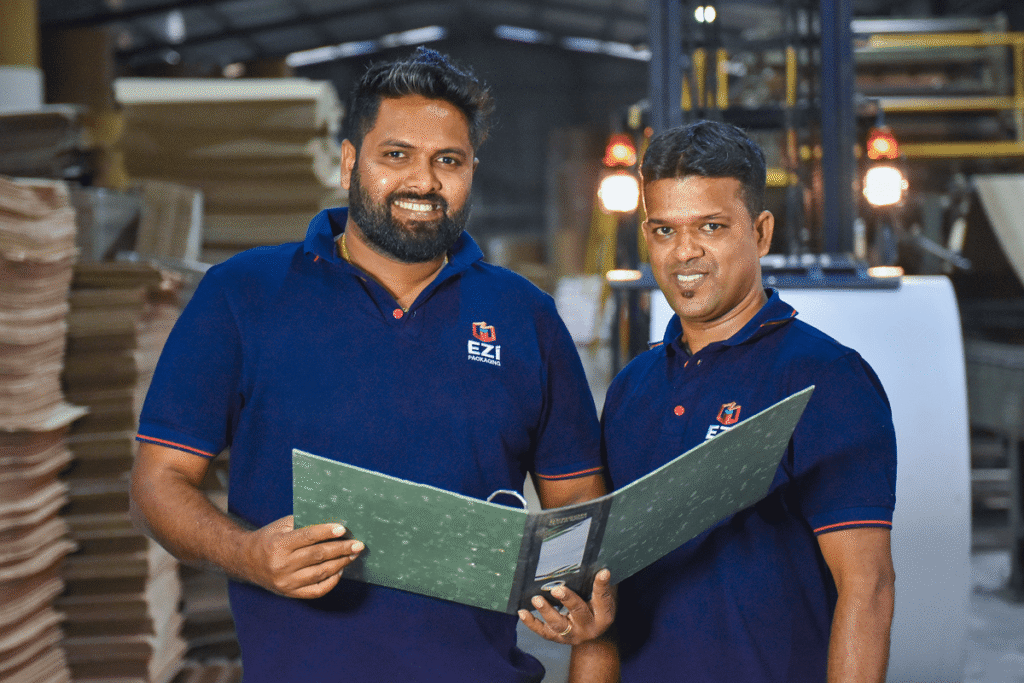
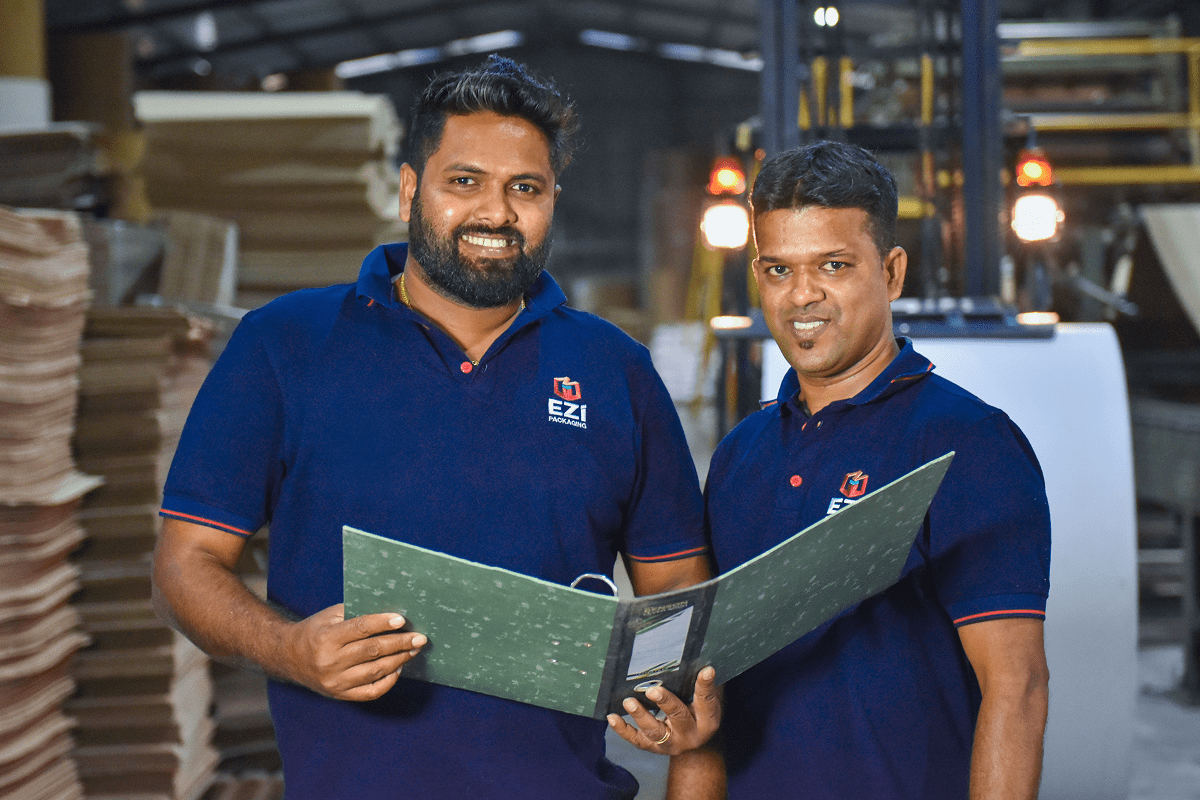
EZI Packaging team designing custom corrugated packaging solutions
-
- Global Standard Compliance Modern manufacturers are now aligning with international ISO standards to ensure boxes survive long-haul sea freight.
-
- Structural Versatility From single-wall containers for lightweight retail goods to triple-wall boxes for heavy machinery, the variety available in the local market is expanding.
-
- Economic Impact Choosing local manufacturing reduces lead times and eliminates the complexities of importing bulky packaging materials from overseas.
Understanding the Landscape of Packaging Production in Sri Lanka
The current market for corrugated box manufacturers in Sri Lanka is characterized by a blend of large-scale industrial plants and specialized boutique producers. This diversity allows B2B buyers to find partners that fit their specific volume requirements. The rise of the “Digital Silk Road” and increased maritime activity in the Port of Colombo have further incentivized local manufacturers to upgrade their facilities with automated die-cutting and high-speed flexographic printing technology. For a business to remain competitive, it must look beyond just the price per unit. The true value lies in the manufacturer’s ability to provide consistent material quality and technical support. Many companies in the region are now moving toward a “consultative” selling model, where they help clients optimize the dimensions of their boxes to maximize pallet utilization and reduce “dead space” during transit.-
- Sector Growth The garment and tea industries continue to be the primary drivers of high-volume corrugated box demand.
-
- Technology Adoption Increased investment in automated corrugated fluting machines has significantly improved the burst strength and edge crush test (ECT) ratings of locally produced boxes.
-
- Regional Hub Sri Lanka is increasingly being viewed as a secondary packaging source for businesses in the Maldives and parts of East Africa.
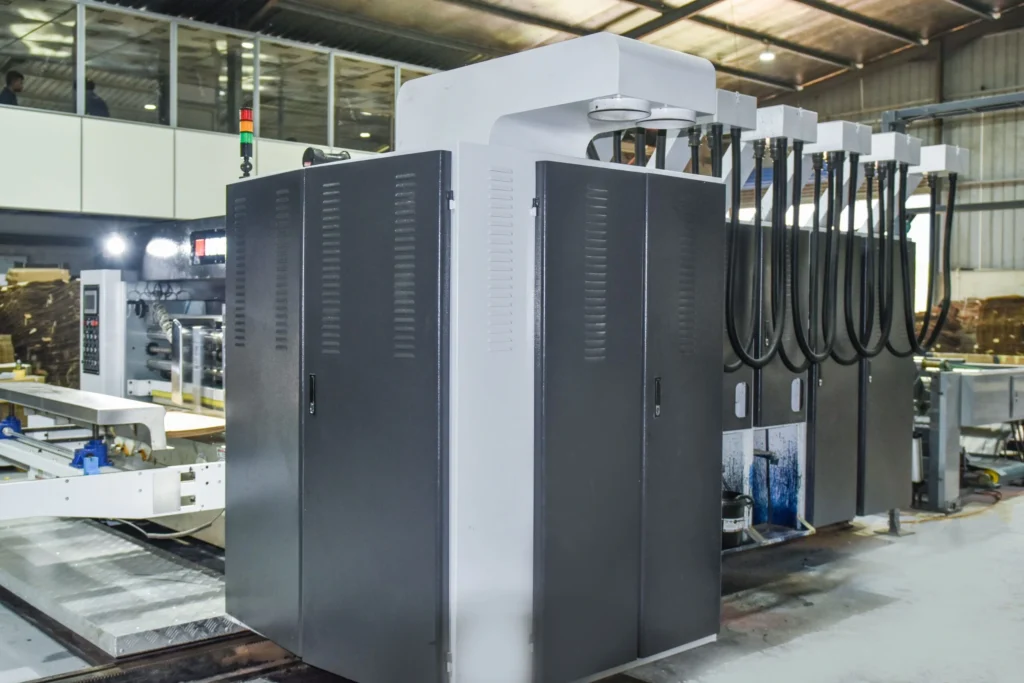
Automated machinery used for large-scale corrugated packaging production.
Why Material Science Matters in B2B Packaging
When evaluating corrugated box manufacturers in Sri Lanka, the conversation often centers on GSM (Grams per Square Meter) and fluting profiles. For the uninitiated, these technical details might seem trivial, but for a logistics manager, they represent the difference between a successful delivery and a damaged shipment. A well-engineered box uses a specific combination of linerboard and fluted medium to create a cushion that absorbs shocks and resists compression. Top-tier manufacturers like EZI Packaging focus heavily on these engineering aspects. By selecting the right flute size—whether it’s the thick ‘C’ flute for stacking strength or the thinner ‘E’ flute for high-quality retail printing—they ensure that the packaging is “fit for purpose.” This technical precision prevents the common issue of “box creep,” where packaging loses its structural integrity over time due to humidity or prolonged stacking pressure.-
- Edge Crush Test (ECT) A critical metric used by B2B buyers to measure the stacking strength of a box before it collapses.
-
- Moisture Resistance Given Sri Lanka’s tropical climate, high-quality manufacturers offer specialized coatings to prevent the cardboard from softening in high humidity.
-
- Custom Die-Cutting This allows for the creation of intricate internal dividers and inserts that hold products securely without the need for additional plastic void-fill.
Sustainability as a B2B Competitive Advantage
The global shift toward a circular economy has placed immense pressure on Sri Lankan businesses to adopt eco-friendly practices. Corrugated cardboard is naturally one of the most sustainable packaging materials available, being both biodegradable and highly recyclable. However, the best corrugated box manufacturers in Sri Lanka are going a step further by sourcing paper from FSC-certified (Forest Stewardship Council) forests and using soy-based inks for branding. For B2B entities, sustainable packaging is not just about being “green”, it is about meeting the stringent ESG (Environmental, Social, and Governance) requirements of international retailers. By partnering with a manufacturer that prioritizes sustainability, Sri Lankan exporters can bypass potential “plastic taxes” in foreign markets and appeal to the growing demographic of eco-conscious consumers.-
- Recyclability Corrugated boxes can be broken down and reused up to seven times before the fibers become too short for paper production.
-
- Biodegradability Unlike plastic or styrofoam, cardboard decomposes naturally within a few months if not recycled, leaving a minimal environmental footprint.
-
- Resource Efficiency Modern production techniques allow for the use of thinner, stronger materials, reducing the total amount of fiber required per box.
How EZI Packaging is Redefining the Standard
In a crowded market, EZI Packaging has distinguished itself by focusing on the intersection of technology and customer-centric design. While many corrugated box manufacturers in Sri Lanka focus solely on high-volume runs, EZI Packaging emphasizes the importance of agility and customization. They understand that a startup in the e-commerce space has different needs than a multi-national garment exporter, and they provide the infrastructure to support both. The company’s commitment to quality starts at the design phase. By utilizing CAD (Computer-Aided Design) software, they can simulate how a box will perform under stress before a single sheet of paper is cut. This data-driven approach reduces waste and ensures that every client receives a product that is optimized for their specific supply chain challenges.-
- Scalable Production The facility is equipped to handle everything from small-batch prototypes to massive industrial orders.
-
- End-to-End Design EZI Packaging assists clients in creating branding that stands out, utilizing advanced printing techniques that rival international standards.
-
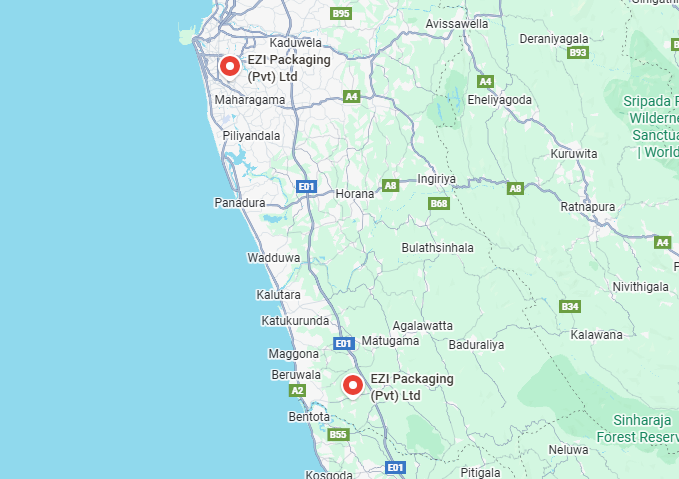
- Strategic Location Their operations are optimized for rapid delivery to major industrial zones across the island, ensuring that clients never face stock-outs.
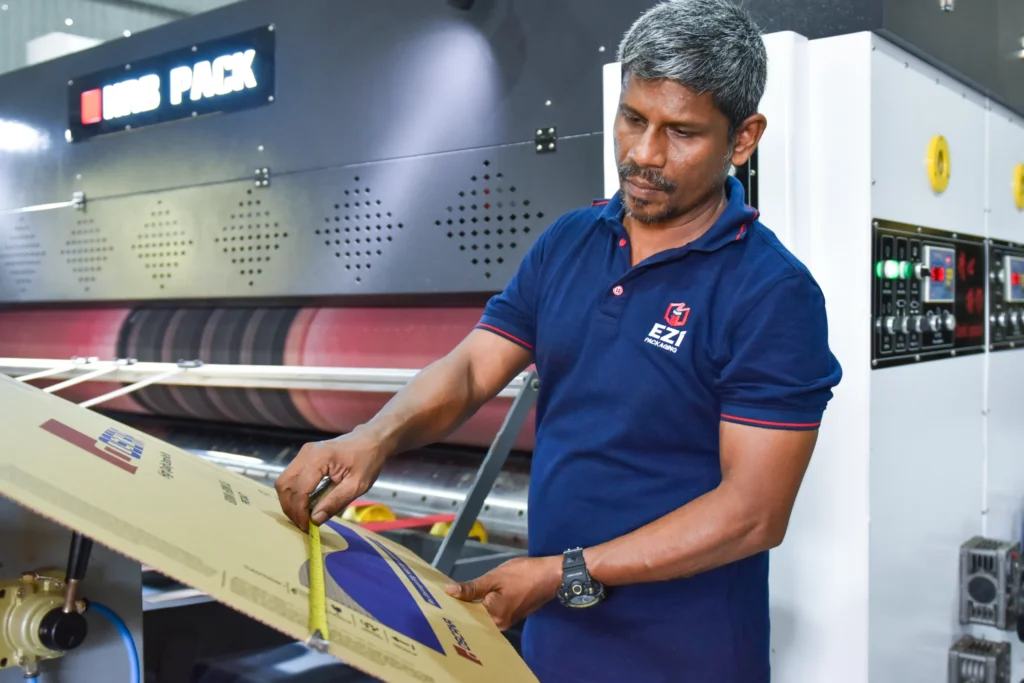
Corrugated box manufacturing process at EZI Packaging Sri Lanka
Checklist for Choosing a Packaging Partner in Sri Lanka
Selecting from the many corrugated box manufacturers in Sri Lanka requires a systematic vetting process. A common mistake is choosing the lowest bidder, only to find that the boxes fail during transit or that the lead times are inconsistent. A reliable partner should act as an extension of your own operations, providing transparency and reliability at every stage of the production cycle. Before signing a long-term contract, B2B buyers should conduct a site visit or request a comprehensive technical audit of the manufacturer’s capabilities. This helps in understanding their quality control processes and their ability to scale during peak seasons, such as the holiday rush or the agricultural harvest periods.-
- Quality Assurance Ask for certifications and proof of regular testing for burst strength and moisture absorption.
-
- Lead Time Reliability Ensure the manufacturer has a proven track record of meeting deadlines, especially for export-bound goods.
-
- Communication A good partner provides regular updates on order status and is proactive in suggesting ways to improve packaging efficiency.
-
- Prototyping Services Verify if the manufacturer can provide physical samples to test with your actual products before a full production run.
Post a comment